
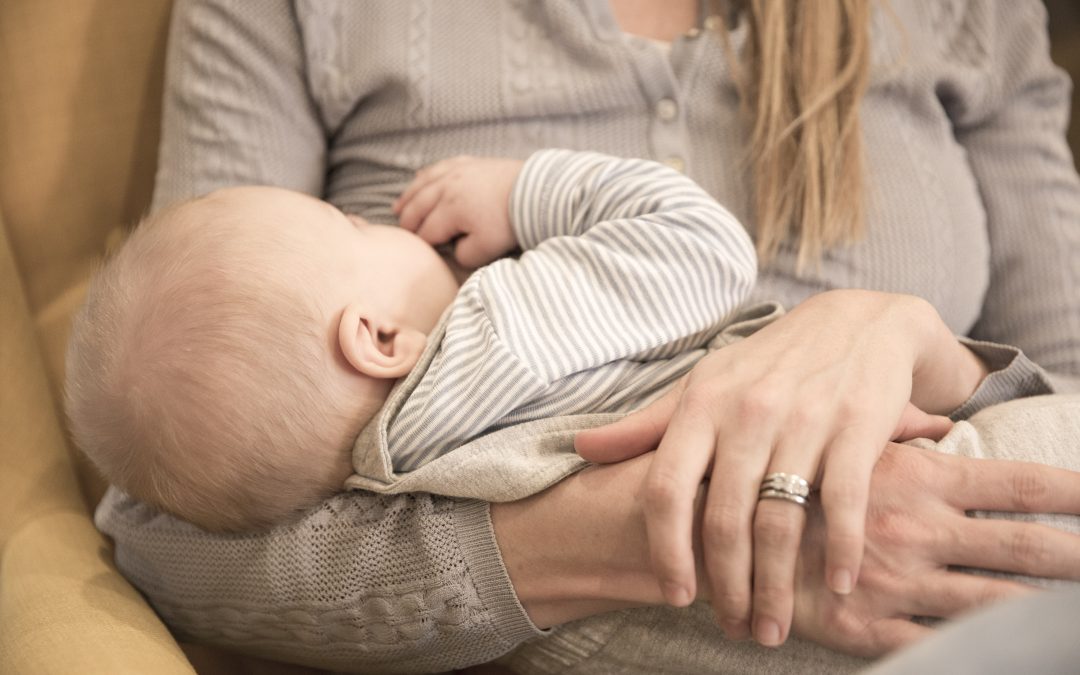
When do I switch sides during a breastfeed?
“I was told that my baby must spend 20/30/40 mins on the same breast so that he gets the hindmilk/pudding milk”
Many popular baby care books and well-meaning health visitors advise women to “drain” one breast before offering the other side. The idea is that baby will get more fatty “hindmilk” in order to grow. This confuses mothers who find that their breasts are never completely empty, so have no idea when they should swap sides. Mothers who have perfectly normal shorter feeds worry that their babies are not getting hindmilk at all.
The key thing to remember is that all breastmilk is good for your baby. The very start of a feed (foremilk) has slightly less fat content than milk later on in the feed (hindmilk). The change is gradual, there is no magic moment when your baby starts getting “pudding.” In order to thrive, your baby just needs access to lots of milk. Therefore, it is almost always sensible to offer the fullest breast first. When baby is not drinking with gusto, or is mostly sleeping on that side, offer the other one. Lots of babies will then drink happily on the faster flow available. To be honest, you can swap back and forth between breasts as much as you like. It might help to keep your baby awake. Nobody should offer you a time limit for your baby to stay on one side before going to the other breast. It makes no sense and there is no evidence for it.
Of course, most new parents want to know how long their baby should spend on each breast, and being told that a normal feed could be 5-45 mins does not sound helpful. However, there are so many variables between mothers and babies and through the days and weeks. Most midwives and breastfeeding specialists can only guess at your milk storage capacity, rate of let down of milk, the speed that baby is able to drink, how hungry they are, how relaxed mum is, how supply will vary through the day and week to week – you can see how there is no straight answer!
The science bit…
This graph from UNICEF shows the relationship between fat and volume through a feed.

While this might be interesting, for the vast majority of women, the fat content at any particular time is irrelevant. It is far more important for your baby to be offered the chance to take milk from both breasts each time so that they can access the volume of milk that they need overall. There is no such thing as “emptying” or “draining” one side because breasts are never empty, they carry on making milk during the feed. Draining a breast would be like trying to drain a river!
To illustrate the foremilk and hindmilk point, one kind mum pumped her breastmilk for one feed into a series of test tubes. These show how the milk changes gradually through a feed, and that it is all good stuff!

For more information see http://thefunnyshapedwoman.blogspot.co.uk/2011/05/foremilk-and-hindmilk-in-quest-of.html
My baby has green poo, is this too much foremilk or lactose intolerance?
You may have read that green poos result from a foremilk/hindmilk imbalance or even lactose intolerance. Please do not self-diagnose lactose intolerance in your baby. Occasional green poos and unsettled behaviour in a healthy baby are normal. Truly lactose intolerant babies would show signs of severe discomfort and low weight gain, and maybe have consistently explosive frothy green poos. If you are worried about your baby, please have them reviewed by a medical practitioner. For everyone else, you might like to read www.llli.org.breastfeeding-infoc/foremilk-and-hindmilk for reassurance.

How do I boost my milk supply?
Many mothers worry that they don't have sufficient milk. Very often, the worry is unnecessary. If you are unsure, please check out the article here that covers normal newborn behaviour and signs of low supply. If you are looking for ways to build supply, read on....

How can I involve my partner in feeding a (mostly) breastfed baby?
Most expectant and new parents are keen to share the process of feeding their baby. Partners often love the chance to bottle feed their little one and support the mother in getting more rest. There are many positive reasons for sharing the feeding process, but in the...

How much caffeine can I drink when breastfeeding?
Many new mothers are keen to have caffeinated drinks like tea and coffee to keep them going. You might be wondering how much caffeine is OK while breastfeeding. A small amount of caffeine goes into breastmilk, peaking one to two hours after consumption. The good news...
I’m pregnant and I don’t want to breastfeed. What do I need to do?
This article explores some common questions of pregnant women who have decided to bottle feed with formula milk. What if I am not sure? I don't think I will want or be able to breastfeed You might find it useful to chat through your thoughts or concerns with your...
I am hoping to breastfeed. What do I need to buy in advance?
Parents who intend to breastfeed do not need to buy much in advance. This article shares common sense advice on what products might be helpful.

Tips for relaxed and painless breastfeeding
Breastfeeding should feel good for mothers and babies! Right from the start, babies can latch on by themselves if we let them, they have the most incredible instincts to feed. What is going wrong? New mothers are doing what they have been told. Sit up. Line up baby...
Feeding your baby in bed
When I talk to new parents about feeding their baby while lying in their bed, they look at me askance and say “What if I fall asleep?” For years, parents have been told that it is safer to wake themselves up, get out of bed and go to another room, feed their little...

Is formula milk bad for my baby?
It is hard to miss the overarching message that "breast is best". NHS clinics tend to be covered with posters stressing all the wonderful properties and benefits of breastmilk over infant formula. Where does that leave parents who want or need to feed their baby (or...
What pain relief is suitable while breastfeeding?
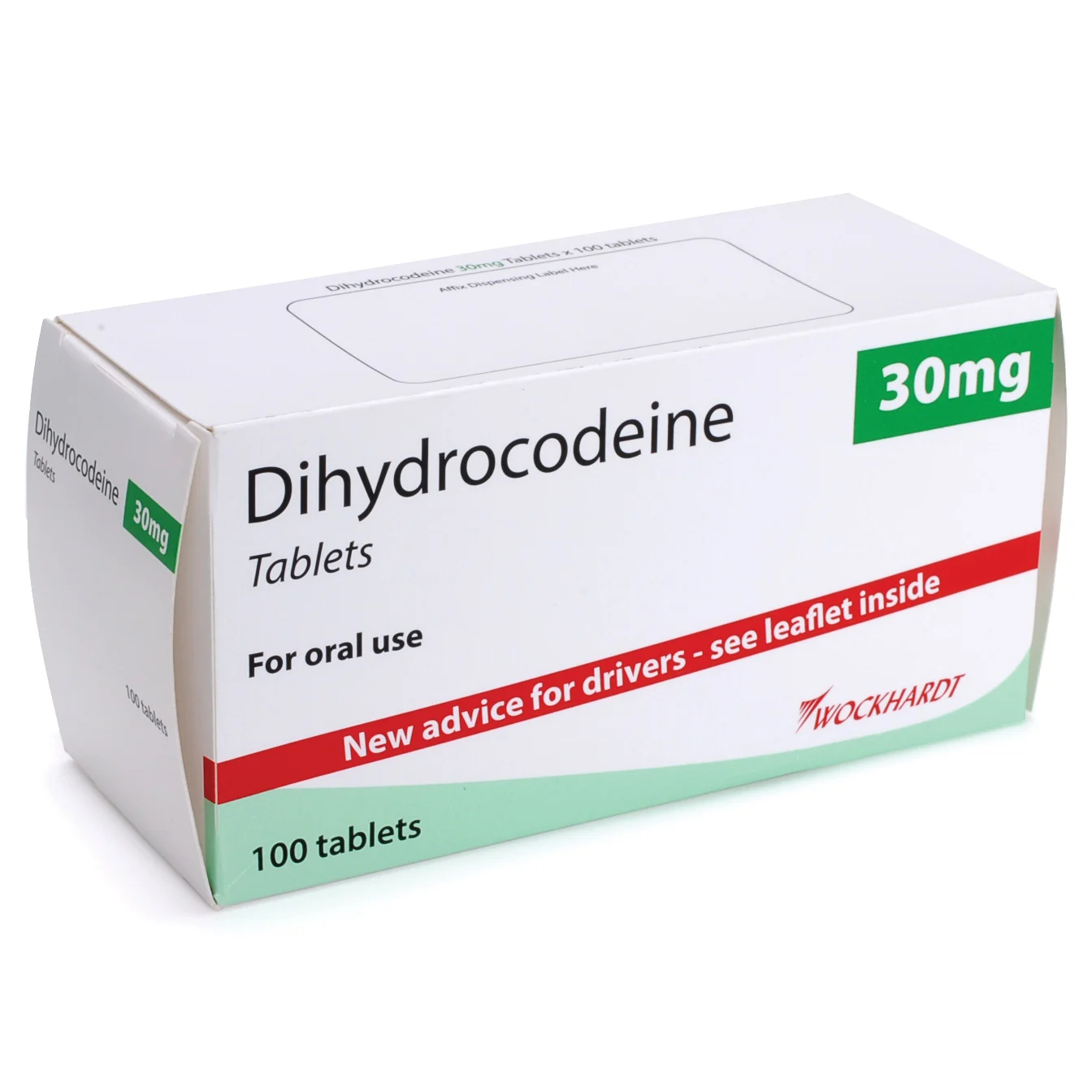
After a caesarean or instrumental birth, you will be offered some fairly heavy duty pain relief. This is typically dihydrocodeine. There are no prizes for refusing it, it helps mothers to recover if they can keep their pain to manageable levels. The Royal College...

What should I eat and drink after the birth of my baby?
Whatever kind of birth you have had, it is important to eat and drink well. Plenty of water will help you to avoid constipation, and allow you to wee sufficiently for the midwife to tick that off the checklist. I have seen many hospital meals come and go in my time,...